OUR HISTORY
For nearly a century, the Yeshivah of Flatbush has stood at the forefront of Jewish education in America. Since its founding in 1927, the Yeshivah has educated generations of students to embrace Torah, academic excellence, leadership, and a deep commitment to the Jewish people, the State of Israel, and the broader community. What began as a small school serving just 22 students has grown into one of the nation's premier Modern Orthodox Jewish day schools, with more than 15,000 alumni whose impact is felt across the globe.
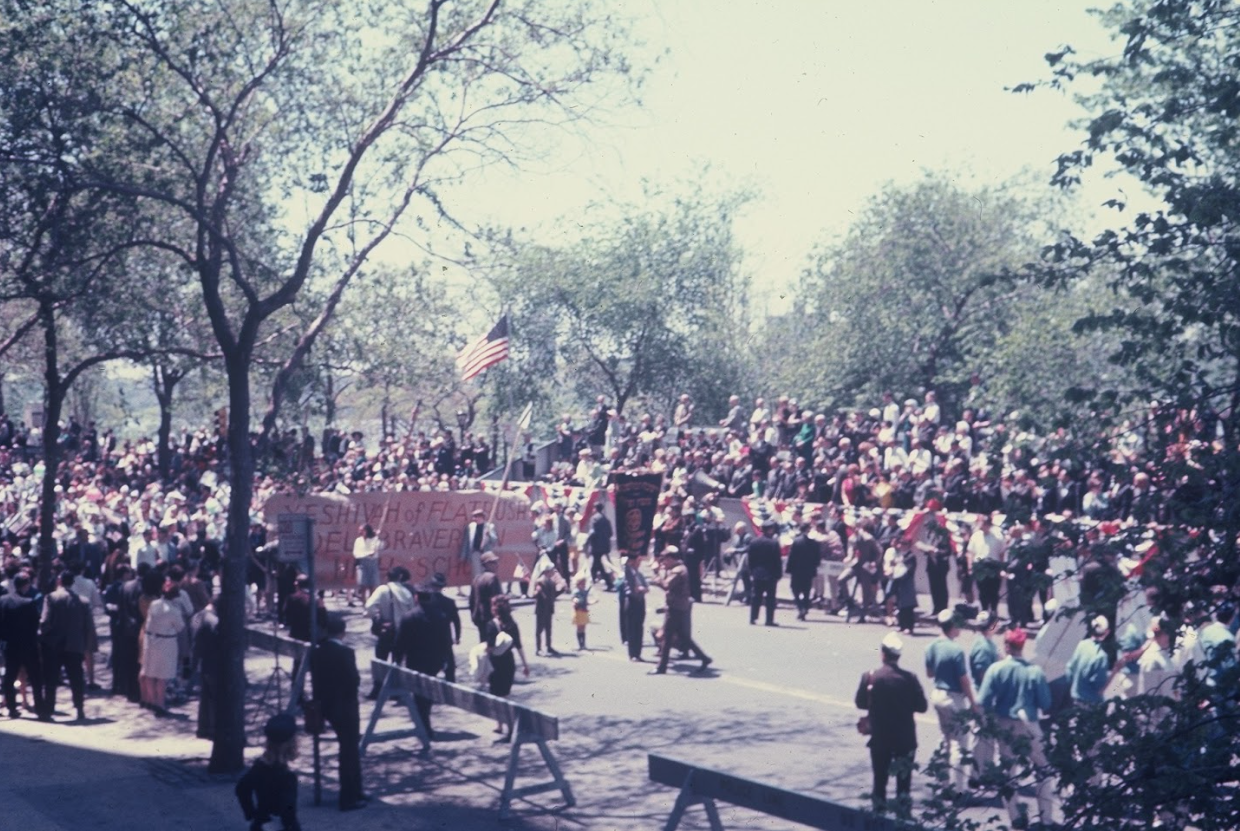
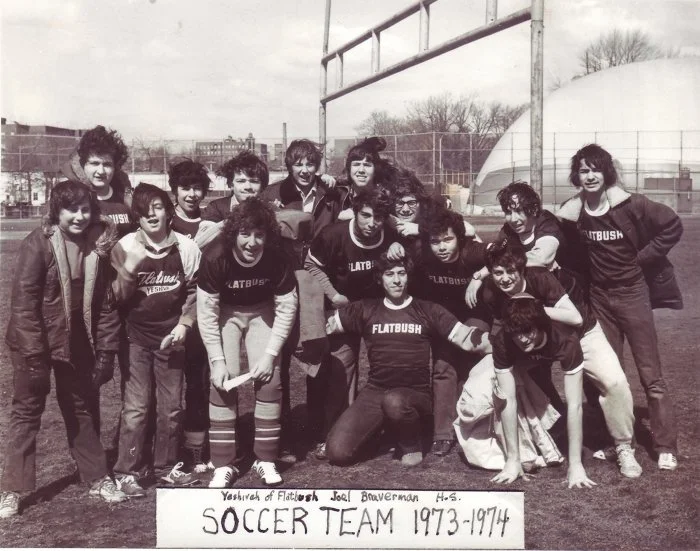
The Yeshivah of Flatbush was founded during a period of remarkable growth for Brooklyn's Jewish community. As thousands of Jewish families settled in Flatbush and the surrounding neighborhoods, visionary educator Joel Braverman recognized the need for a school that would provide an uncompromising Jewish education alongside an outstanding college preparatory curriculum. From its inception, the Yeshivah embraced the philosophy that students could excel equally in Torah and general studies while developing into committed Jews, responsible citizens, and future leaders. This pioneering educational model helped define Modern Orthodox Jewish education in America and continues to guide the Yeshivah's mission today.
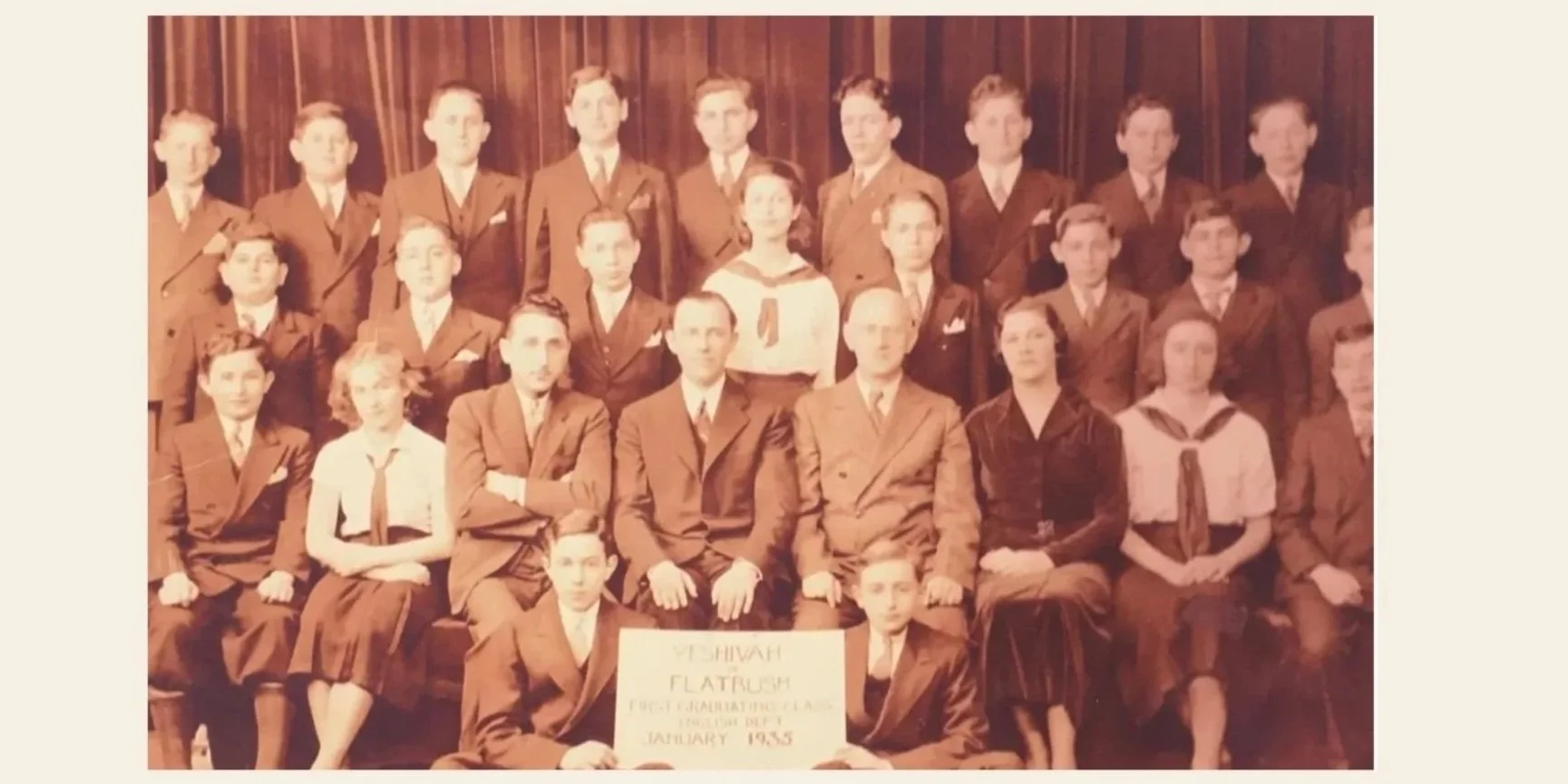
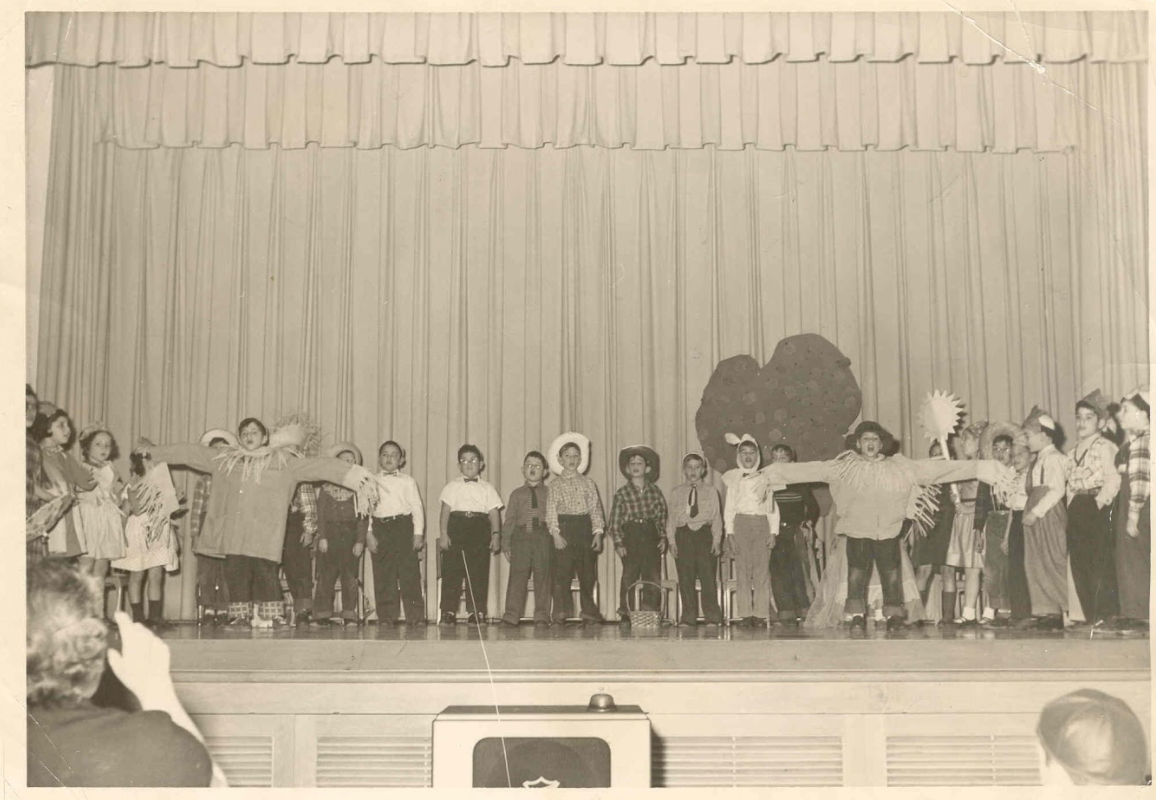
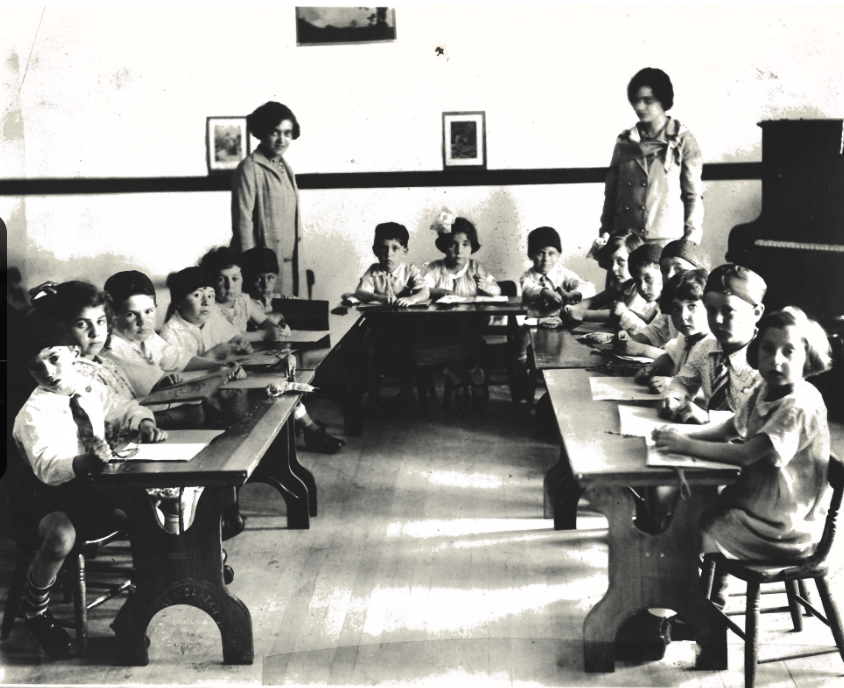
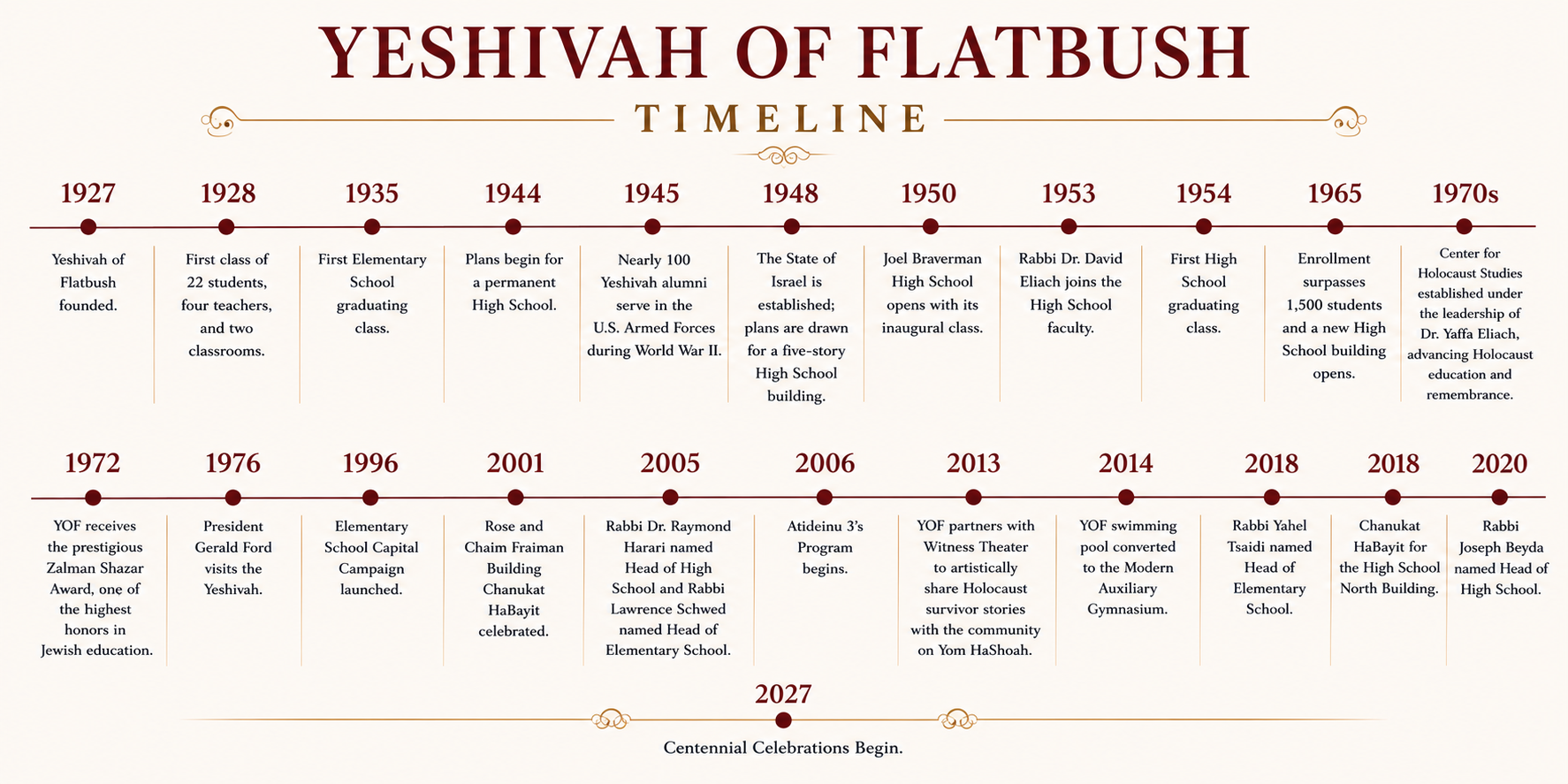
The Yeshivah welcomed its first class of 22 students in 1928, with four teachers instructing two classes. Even in its earliest years, the founders envisioned far more than an elementary school. They sought to create an institution that would educate children from their earliest years through young adulthood while instilling a lifelong love of Torah, Hebrew language, Jewish tradition, and communal responsibility. The first Elementary School class graduated in 1935, beginning a legacy that has influenced generations of Jewish families throughout the United States, Israel, and around the world.
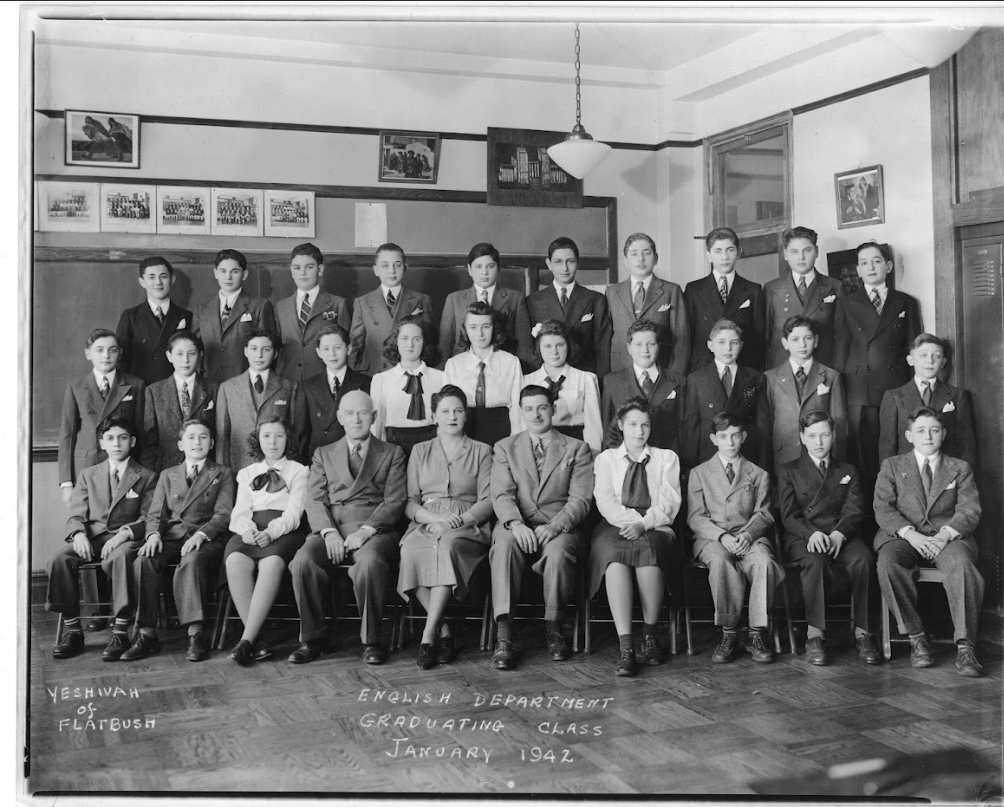
As the Yeshivah grew, so too did its impact on American Jewish life. During World War II, nearly 100 Yeshivah alumni served in the United States Armed Forces, reflecting the school's enduring commitment to both Jewish values and civic responsibility. In 1944, the community launched a campaign to build a permanent high school, recognizing the need to continue educating its students through adolescence.
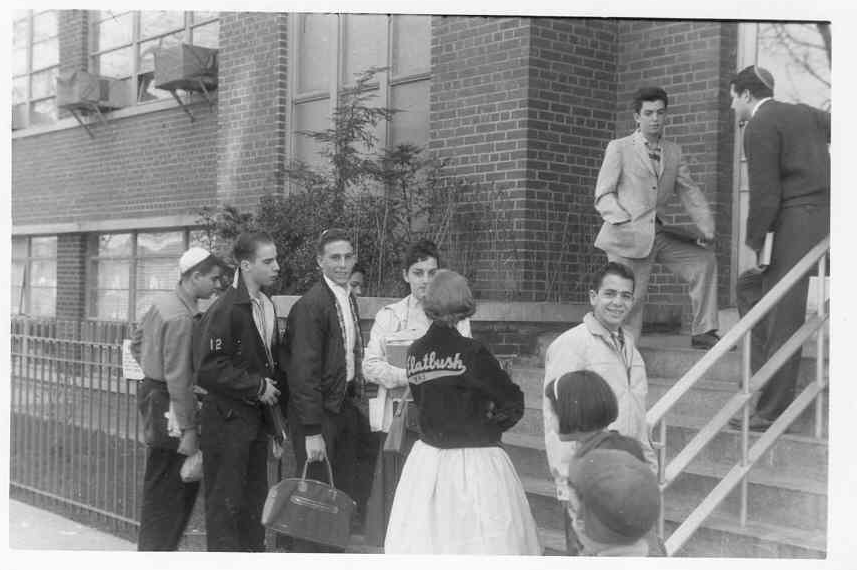
The establishment of the State of Israel in 1948 marked another defining moment in the Yeshivah's history. The birth of the Jewish state reaffirmed the school's longstanding commitment to Religious Zionism and strengthened its mission of cultivating a profound love for Israel, the Hebrew language, and the Jewish people. That same year, plans were drawn for a new five-story high school building. In 1950, the Joel Braverman High School welcomed its inaugural class of 27 students, and in 1954, the first high school graduates received their diplomas. These milestones established the Yeshivah as one of the nation's leading Jewish day schools, dedicated to preparing students for success in higher education while nurturing a lifelong commitment to Torah and Jewish life.
The Yeshivah entered a new era in 1953 when Rabbi Dr. David Eliach joined the High School faculty. Over the following decades, his extraordinary leadership and educational vision helped shape the character of the institution and inspired generations of students, faculty, and alumni. By 1965, enrollment had surpassed 1,500 students, reflecting the Yeshivah's growing reputation for excellence. As Brooklyn's Jewish population evolved, the Yeshivah continued to welcome students from Ashkenazic, Sephardic, and Mizrahi backgrounds, creating a vibrant and diverse community united by shared values of Torah, scholarship, and communal responsibility.
The Yeshivah's commitment to preserving Jewish memory has also been a defining part of its history. During the 1970s, the Center for Holocaust Studies, founded by renowned scholar and Holocaust educator Dr. Yaffa Eliach, was initially housed at the Yeshivah. This groundbreaking initiative reflected the school's dedication to Holocaust remembrance, historical scholarship, and ensuring that future generations would preserve the stories and lessons of the Shoah.
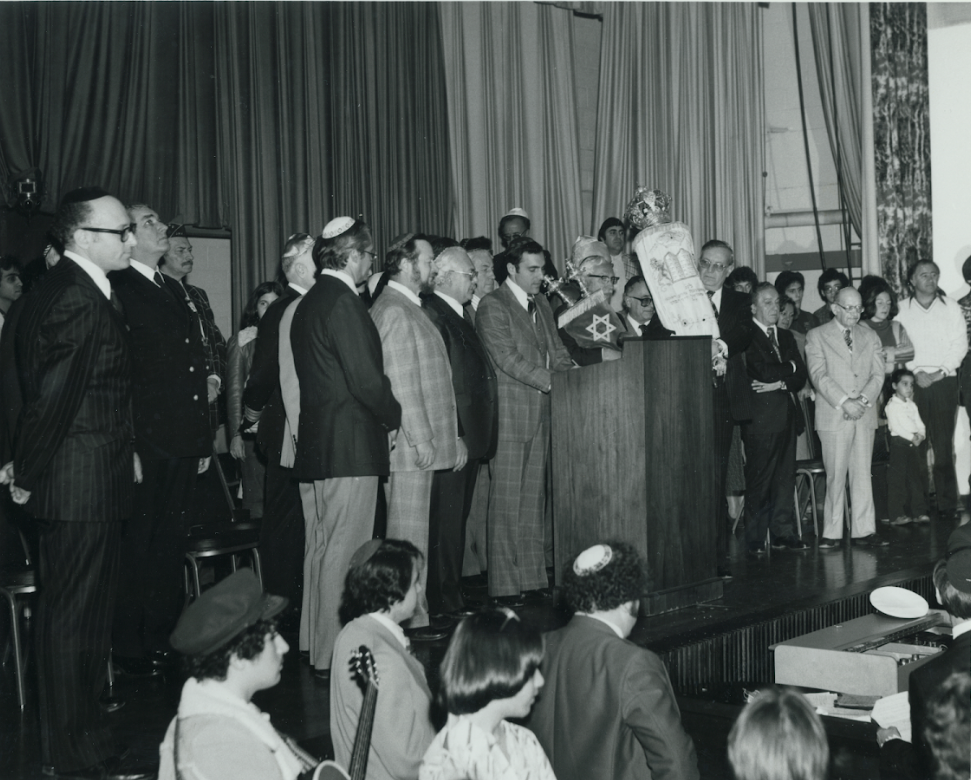
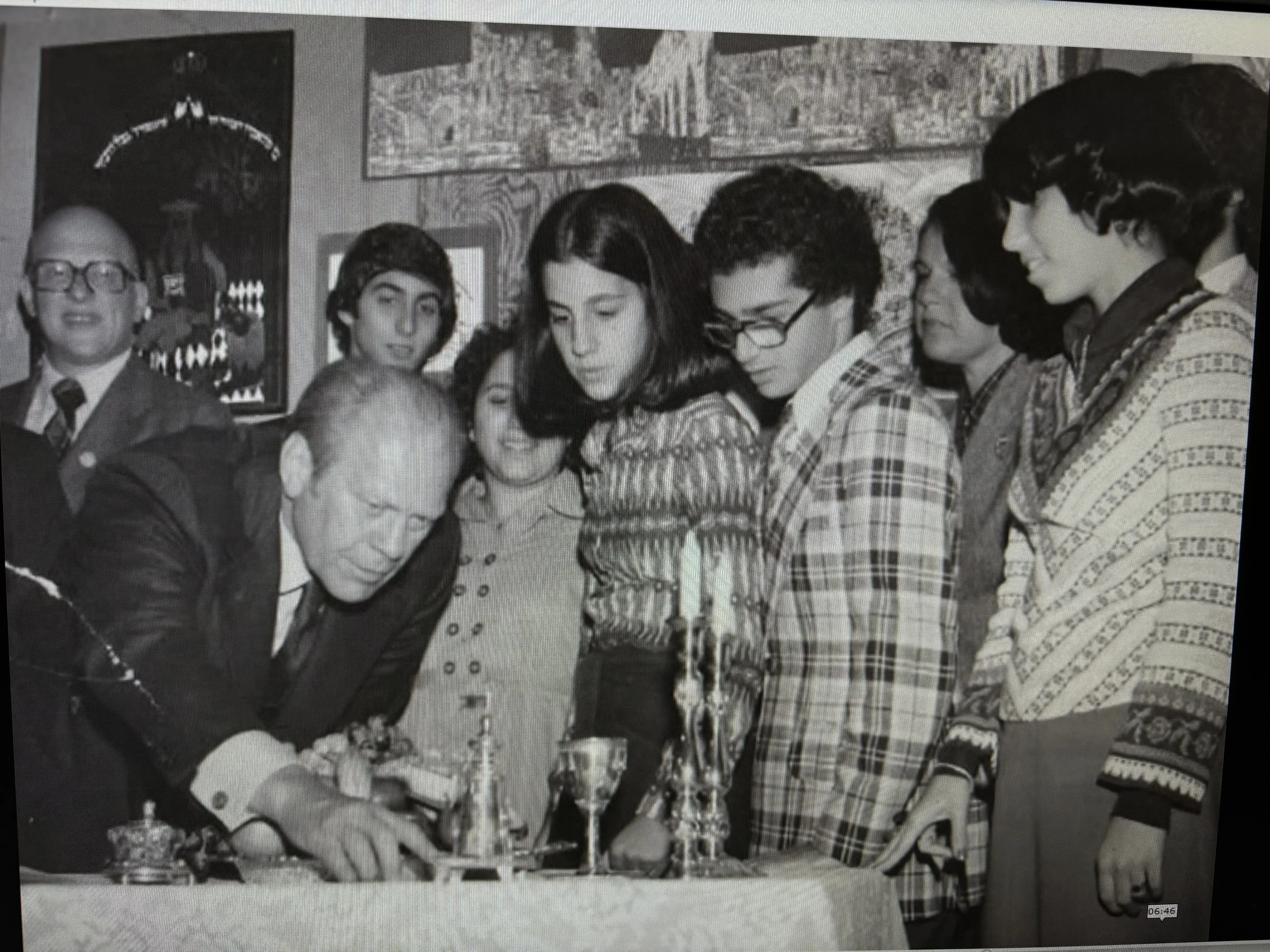
Over the decades, the Yeshivah of Flatbush has earned recognition as a leader in Jewish education. In 1972, it received the prestigious Zalman Shazar Award, one of the highest international honors in Jewish education. Four years later, in 1976, the school welcomed President Gerald Ford, underscoring its growing stature within both the Jewish community and American public life. The Yeshivah celebrated its 50th anniversary in 1977, its 75th anniversary in 2002, and today continues to uphold the vision established by its founders while embracing the opportunities of a new generation.
Today, nearly a century after its founding, the Yeshivah of Flatbush remains one of the most respected Modern Orthodox Jewish day schools in North America. More than 15,000 alumni have gone on to become rabbis, physicians, educators, scientists, attorneys, entrepreneurs, artists, public servants, and community leaders. Guided by the enduring legacy of Joel Braverman, Rabbi Dr. David Eliach, and the generations of educators who followed, the Yeshivah continues to inspire students to pursue excellence in learning, deepen their commitment to Torah and the Jewish people, strengthen their connection to the State of Israel, and make meaningful contributions to society. As it approaches its centennial, the Yeshivah remains steadfast in its mission of educating knowledgeable, compassionate, and principled leaders for the Jewish community and the world